The monsoon season is a great time for reading (and watching and listening). We have asked a few of our authors to share their recommendations on books, podcasts, shows/movies with our readers in our first-ever Monsoon Reads (and Watches and Listens).
Nash Tysmans recommends…
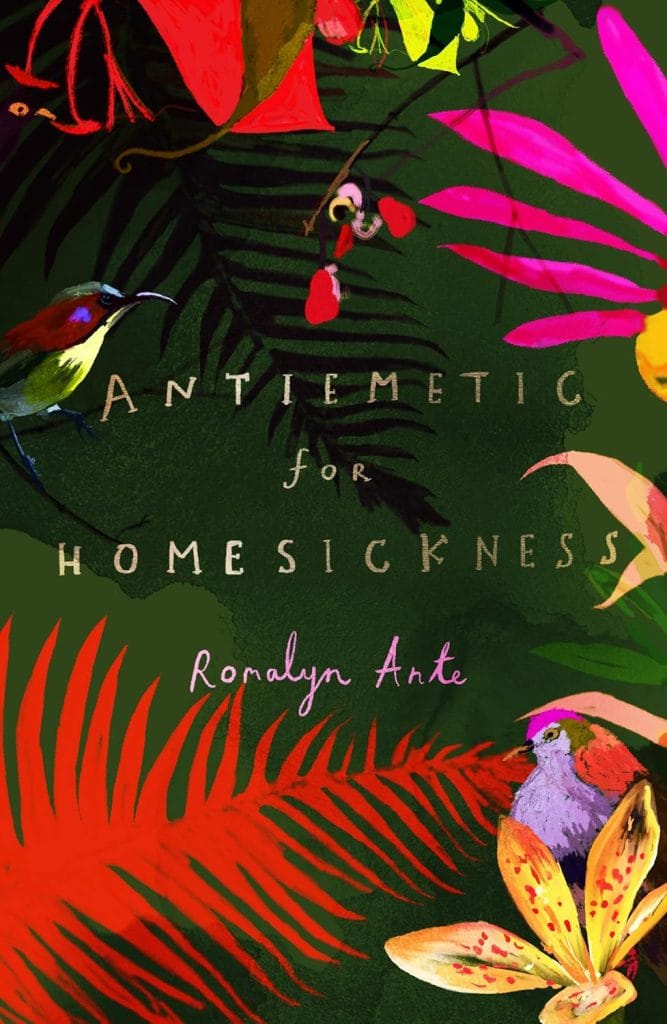
Antiemetic for Homesickness by Romalyn Ante: No one asked for poetry but in these times, it feels necessary. Ante is a poet and nurse of Filipino descent working in the UK and in this collection she writes about living and working in a foreign country, speaking a language that isn’t hers and making life possible while also yearning for/discovering home.
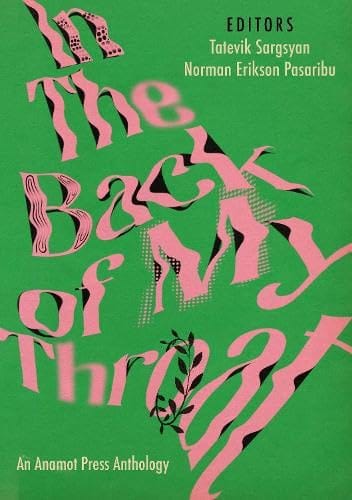
In the Back of My Throat anthology edited by Norman Erikson Pasaribu & Tatevik Sargsyan: This is a queer anthology of essays and poems by Indonesians telling stories across borders without shame. There’s an affecting interview with an elderly queer sex worker that’s stuck with me and shown me that trans women are women who essentially face the same anxieties and joys that I do despite our differences. I also find stories about aging workers so compelling and absent from how we conceive of labour and the worker.
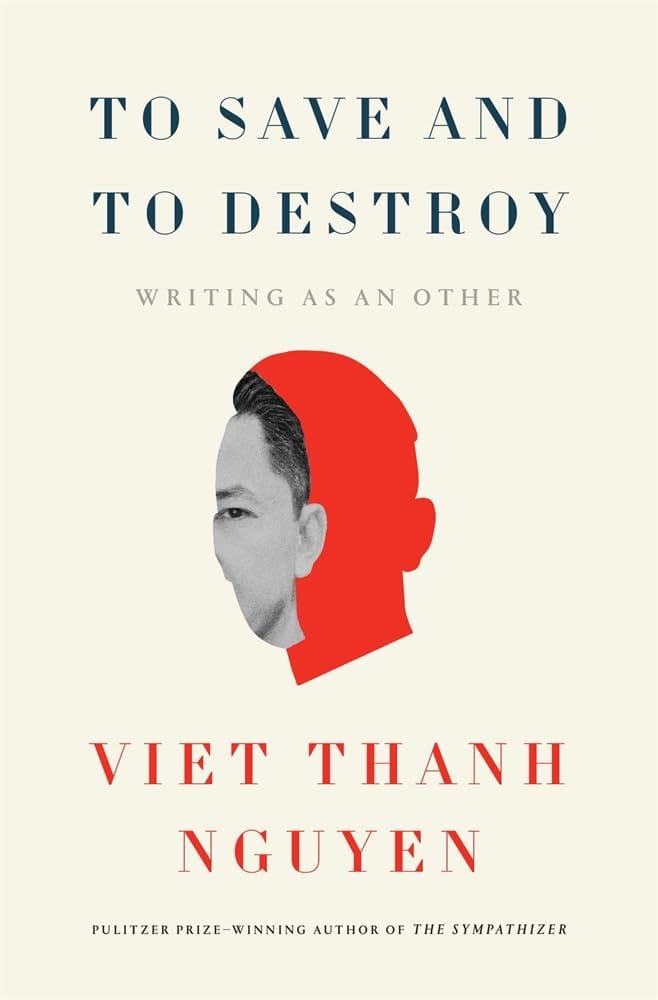
To Save and To Destroy: Writing as an Other by Viet Thanh Nguyen: I have deep questions about the work of a writer in the time of violence and never ending wars. I think a lot about what it means to write while carrying legacies of colonialism and navigating class dynamics in an attempt to forge solidarity across various divides. Nguyen’s book of lectures is incendiary and radical. It keeps the fire in my belly going.
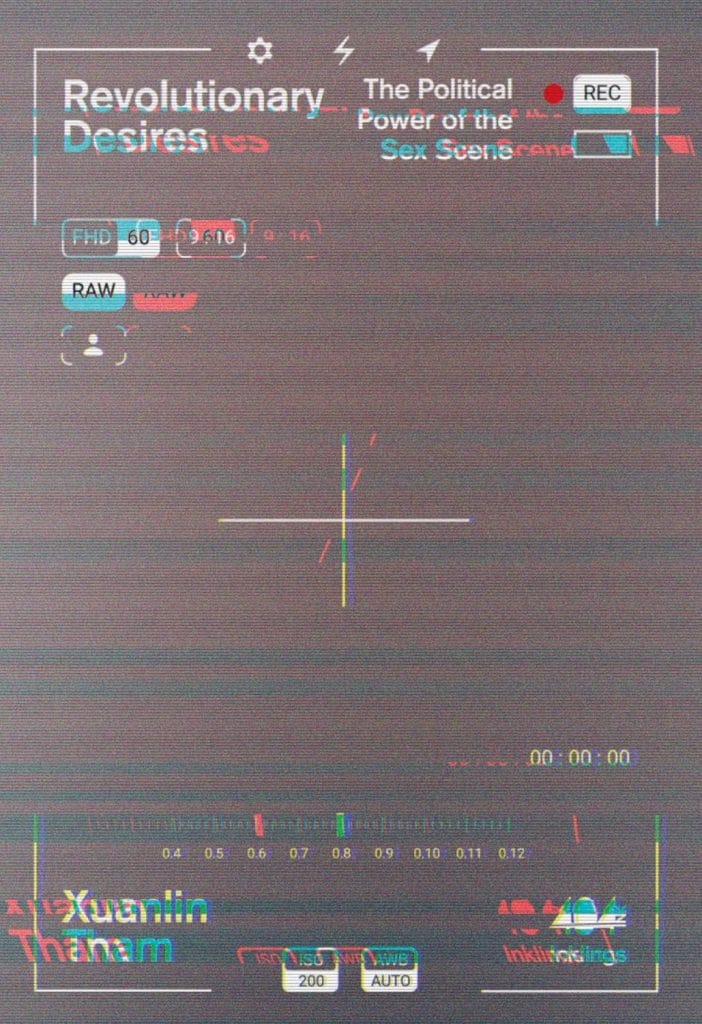
Revolutionary Desires by Xuanlin Tham: Media and what we consume can also determine our appetite for revolution. This tiny book is about the absence of sex scenes in cinema and how the loss of intimacies and pleasure narrows our political imagination. It’s a delicious read but also a moving one.
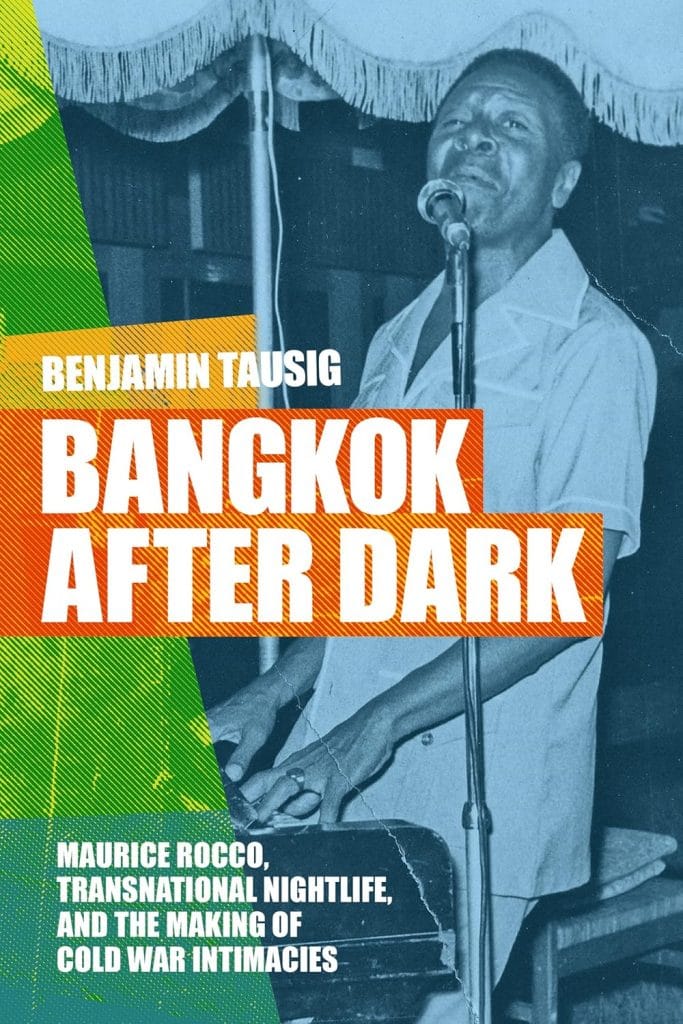
Bangkok After Dark: Maurice Rocco, Transnational Nightlife and the Making of Cold War Intimacies by Benjamin Tausig: A queer black American musician famous in the 30s and 50s moves to Thailand when rock and roll takes over the mainstream market. He becomes a mainstay in Bangkok’s nightlife in the 60s until he’s murdered by two sex workers in 76–this is not a spoiler because the gems are in the history of transnational nightlife that shows encounters between Thais and Americans during America’s War in Vietnam. This is compelling stuff. Tausig’s first book, Bangkok is Ringing: Sound, Protest, and Constraint is also on high on my TBR list.
Empire of AI: Dreams and Nightmares in Open AI by Karen Hao: I’ve seen her interviews and respect that she’s asking serious questions about power while also shedding light on workers that make AI possible despite lack of protections and their depressing wages.
Kriangsak Teerakowitkajorn recommends…
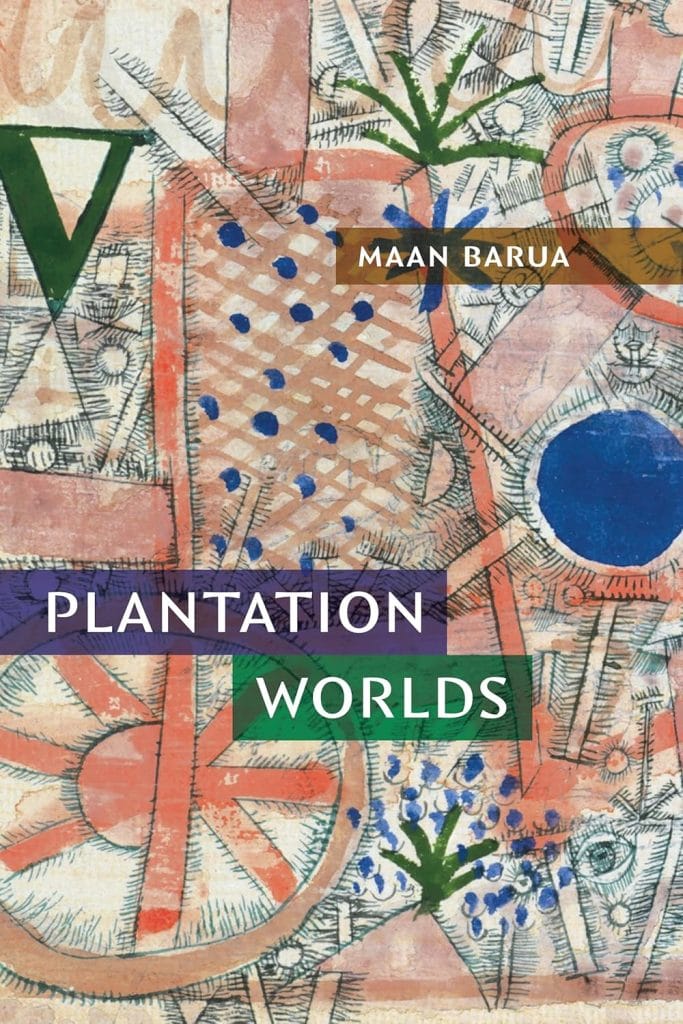
One book I’ve been really enjoying is Plantation Worlds by Maan Barua. While it’s not directly about labour or social movements, it offers a rich historical and ecological account of people, nature, and animals entangled in the tea plantation landscape of Assam, India. Lately, I’ve been interested in how plantation workers are shaped—not just socially, but also by the very landscape and infrastructures of the plantation system. Barua does an excellent job of foregrounding these dynamics, showing how human and non-human interactions are structured by the logics of what scholars call Plantationocene. Some might find this book too academic. I think Barua does a great job making difficult concepts easier to understand.
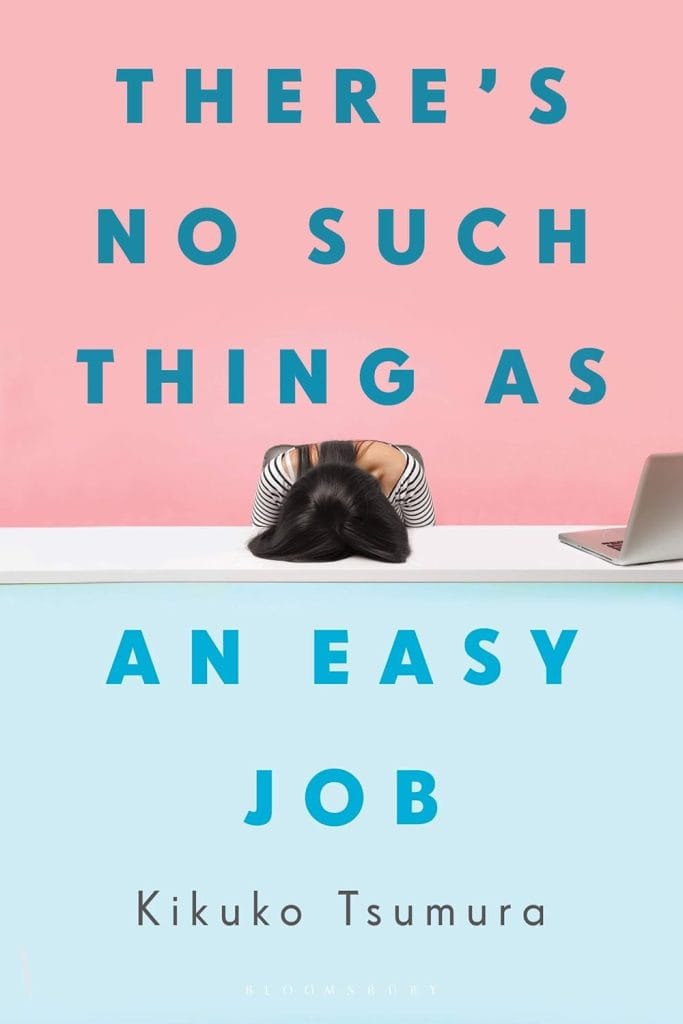
There’s No Such Thing as an Easy Job by Kikuko Tsumura is another book I’m reading, and it’s a refreshing take on the subject of work. I’ve recently noticed that many Japanese fiction writers explore the monotony and absurdity of repetitive work—The Factory by Hiroko Oyamada (which I plan to read next) is another example. Tsumura’s novel follows a woman drifting through a series of seemingly simple and odd jobs, revealing how even the most “boring” work can be strange, surreal, and quietly oppressive. It’s not overtly critical of work culture, but its deadpan tone and unsettling humor capture a generational fatigue with waged labour, temporarily relieving you of the daily grind. (Disclosure: I read the English translation)
Stephen Campbell recommends…
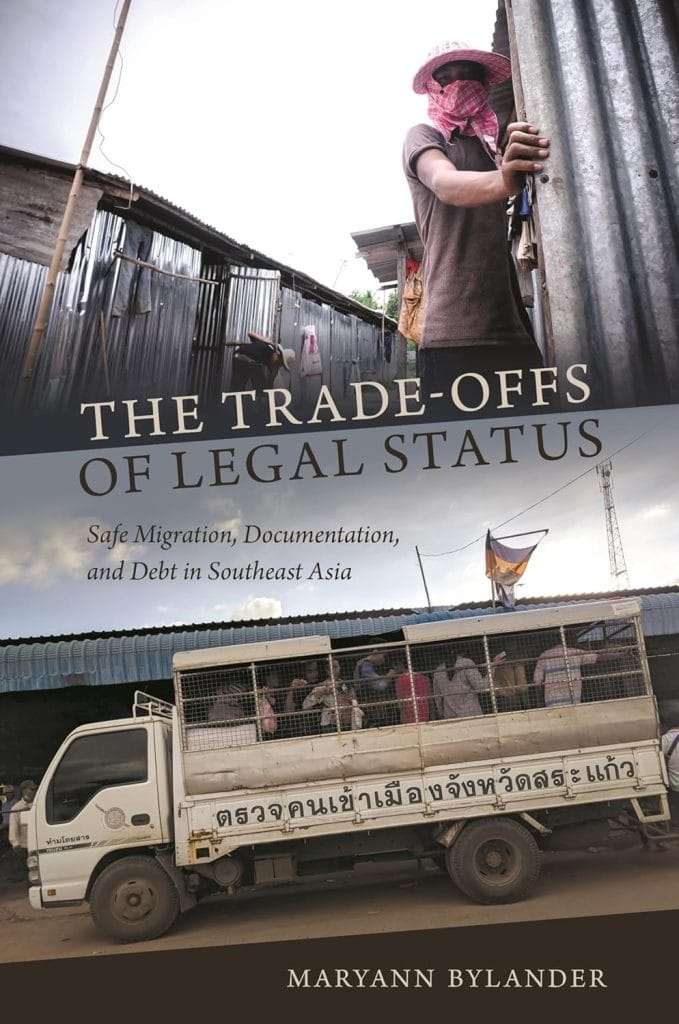
Maryann Bylander’s The Tradeoffs of Legal Status: Safe Migration, Documentation, and Debt in Southeast Asia critiques the claims of governments and NGOs that “regularisation” offers the best solution to the abuses that migrant workers face. Based on research in Thailand and Cambodia, Bylander finds that migrants often shun legal status due to the costs and restrictions it entails, and because it does not adequately protect them from wage theft and other abuses.
Anand P. Krishnan recommends…
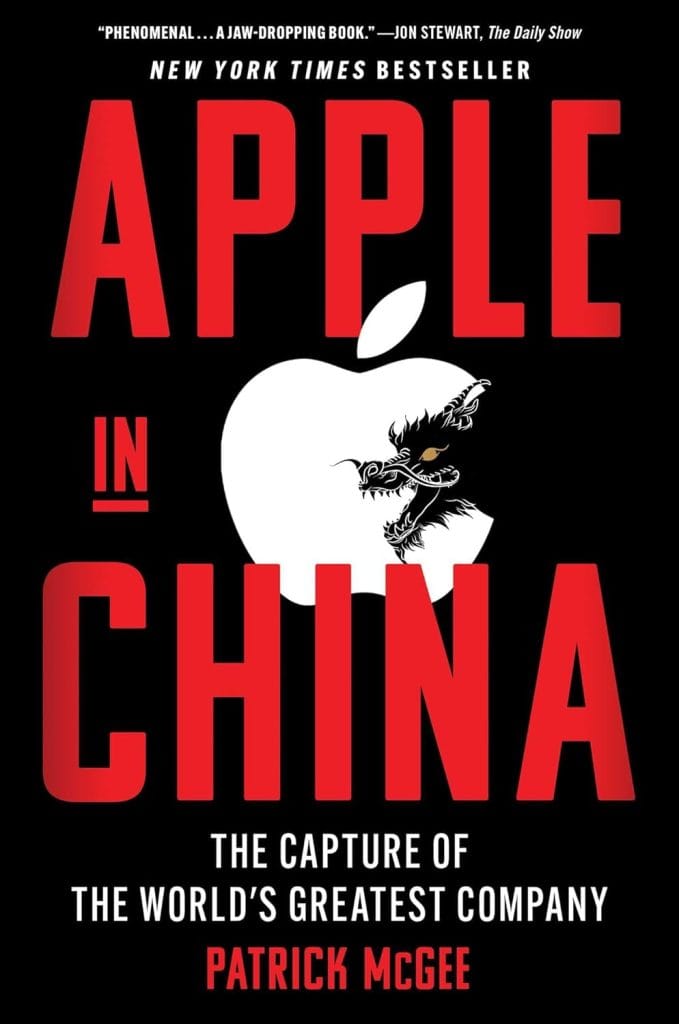
Apple in China: The Capture of the World’s Greatest Company by Patrick McGee tells the story of how the global corporation’s rise and growth story is closely intertwined with China (and by extension, on Chinese labour). This book, when read together with Dying for an iPhone by Jenny Chan, Mark Selden and Pun Ngai, provides a well-rounded analysis on electronics supply chain and their location within the Global South/Developing Countries including Vietnam and India.
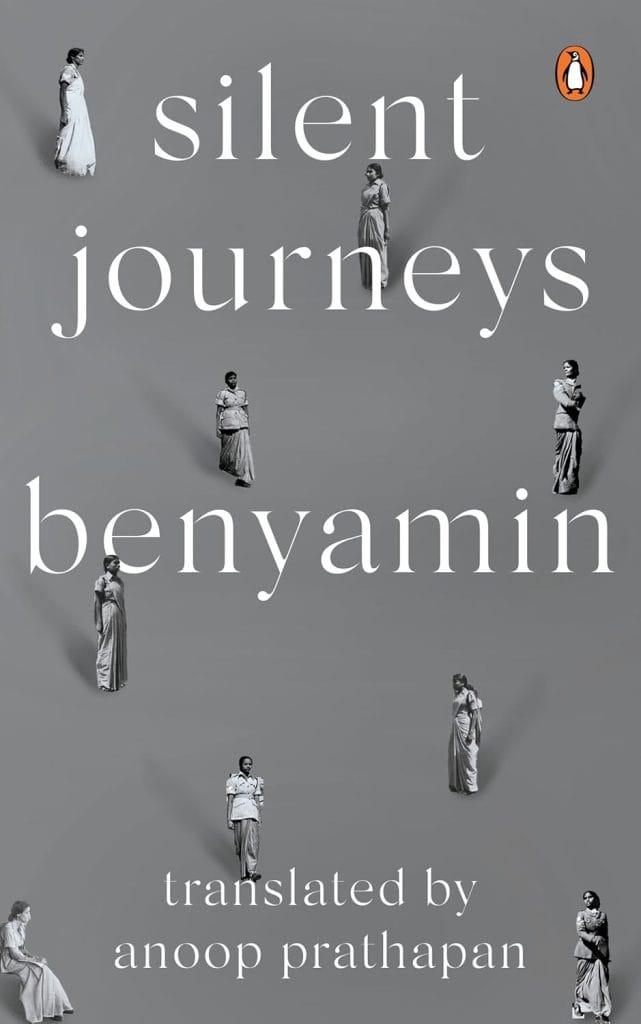
Silent Journeys by Benyamin, originally written in Malayalam language and translated by Anoop Prathapan into English, tells the story of women nurses from Kerala who travel across the world to provide their medical services. The Malayali Nurse – largely women – is a ubiquitous figure across hospitals and medical professions, and their ever-continuing journeys for work all over the globe are stories that need to be told more forthrightly. This novel traces the voyage of Mariamma from her hometown in Manthalir in Kerala through an investigation by her curious great-grandson.
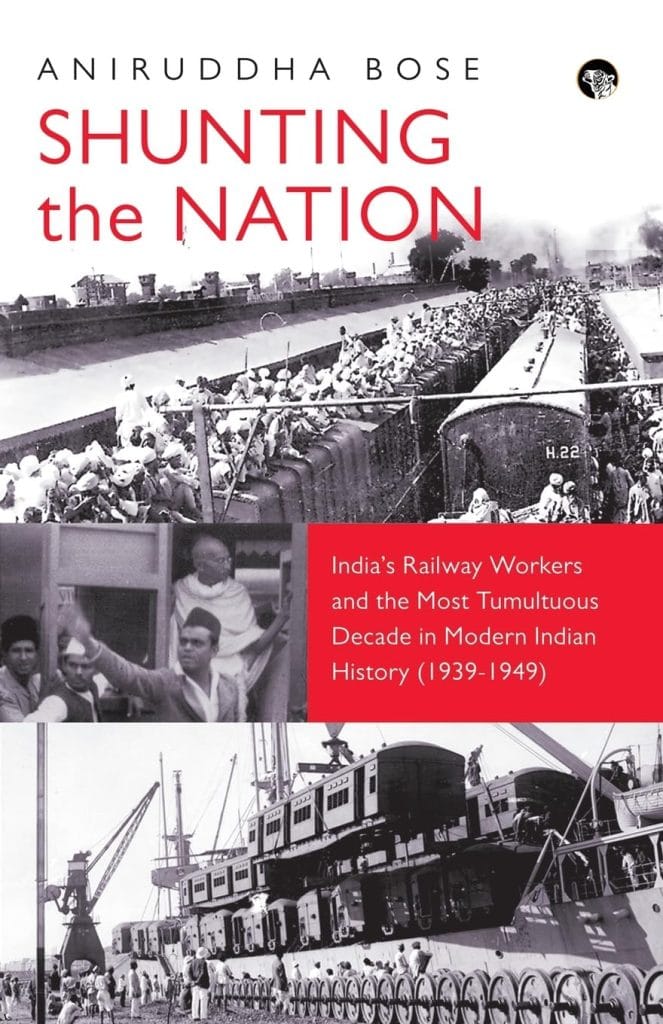
Shunting the Nation: Indian Railway Workers by Aniruddha Bose captures the role of railway workers in India’s history, during the time of World War II and the final phase of British rule in India extending to the country’s Independence and Partition. How the workers navigated those trying times is portrayed by the author through memoirs, archival materials and government documents.
L is for Labour podcast series by Namrata Raju is a must listen. Across two seasons, it unpacks the stories across different sectors, from construction to domestic work, from street vending to impact on labour post the rise of electric vehicles.
Zwigato is a Hindi language film (2022, director: Nandita Das) explores the life of a food delivery worker, Manas, and his family. After losing his job as a factory worker, he takes up the gig work and is forced to navigate the world of app-based ratings, and incentives, trying to keep up with the grind and demands while his wife also has to take on responsibilities of domestic work.
All We Imagine as Light, Directed by Payal Kapadia, depicts the story of migration in the city of Mumbai through the tale of two Malayali Nurses, Prabha and Anu. Their dreams, hopes, frustrations, desires along with their worlds of work, commute and living spaces are entangled with the hummings and goings on of the city. When combined with their co-worker and hospital staff, Parvathy – who is fighting to save her living quarters from builders – the film shows the bonding, camaraderie and companionship of these three individuals navigating the lives away from home.